
In July 2024, the United Kingdom held a general election for all 650 seats in the House of Commons. Keir Starmer’s Labour Party won a landslide victory, ending 14 years of Conservative-led government. Prior to its election victory, the Labour Party promised to deliver a full trans-inclusive ban on conversion practices. Now a report reviewing Labour’s draft Bill warns that parents are among the targets of this proposed legislation.
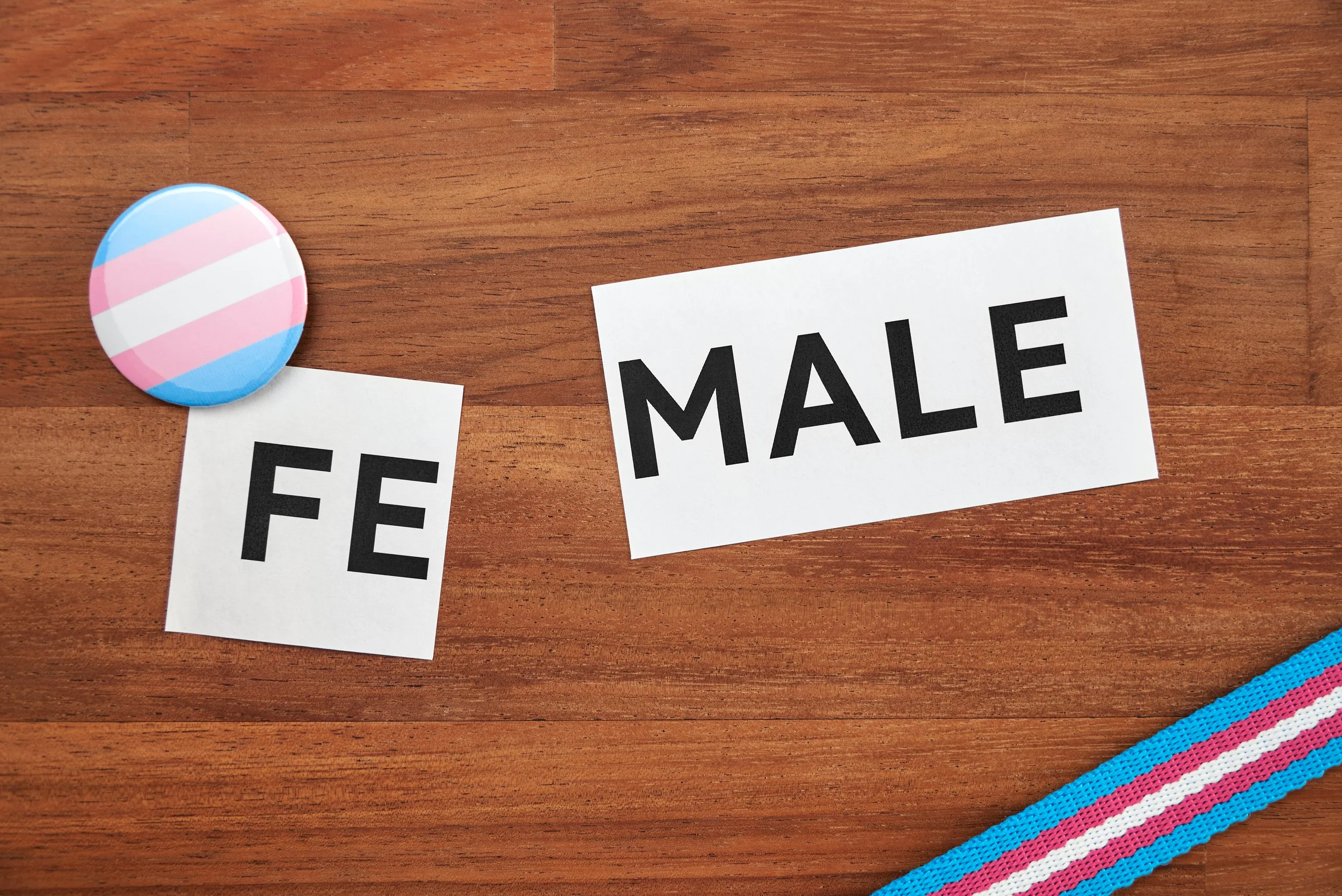
In early November 2026, parents received a new warning that Britain’s proposed new legislation aims to outlaw abusive attempts to change someone’s sexuality or gender identity, with offenders facing up to five years in prison. The legislation is worrisome because the Conversion Practices Bill will, on one account, “criminalize ordinary conversations between parents and children.”
“Legal experts warn that the proposed law could . . . [incriminate] parents who try to discourage their children from changing gender, even when acting out of genuine concern.” Technically, the law is designed to forestall abusive conduct and, strictly speaking, this means that a parent who disagrees with their own child, coupled with evidence of abusive conduct, would face criminal charges if such conduct is intended to change someone’s sexuality or transgender identity.
Critics of the government’s “Trans-Inclusive” Conversion Practices Bill argue that the legislation is “ideological, authoritarian, and unworkable.” Critics also note that the bill represents an effort to legislate gender self-identification into British law despite a years-long debate on whether to ban the teaching of gender ideology in Britain’s schools. Britain and Norway are on the edge of a spear designed to advance child gender transition as a human right, even if that advancement diminishes parental rights. As a consequence of this contagious move, parental rights around the world face rising headwinds from the mainstream press, politicians, and judges who are sympathetic to the state’s experts and the ostensible self-identification demands of the child.
Consistent with its defense of parental rights, in the United States, the Alliance Defending Freedom(ADF) has observed that for more than a decade, “gender ideology has been invading every corner of our kids’ lives.” As a consequence, stories of how it has harmed children and families are all too common. Now the ADF is seeking to gather 100,000 signatures to ban a sex-ed curriculum called “3Rs: Rights, Respect, Responsibility” that exposes kids as young as five years-old to radical gender theory. In addition, this spring, the United States Supreme Court quashed the state of Colorado’s attempt to ban conversion therapy for minors.
In Norway, the state introduced “gender identity” to the UN Human Rights Council in 2006, “calling on behalf of 54 states for its recognition and protection in law.” Since then, Norway has embraced the Yogyakarta Principles (YP) to an extraordinary degree, treating them with almost religious reverence. YP gender-identity principles surface from “progressive” ideas, which were developed by a group of human rights experts at a meeting held at Gadjah Mada University in Yogyakarta, Indonesia, twenty years ago.
Whether in Britain, Norway, or the United States, the promotion of conversion therapy for minors and the desire to extinguish parental rights issues forth from a long history of voices demanding human progress. As philosopher Patrick Deneen observes, Westerners live in an era filled with a rising tide of demanding voices. These voices assert two things: (1) human progress is inevitable; and (2) participants in progressive social movements will always be victimized and harmed by oppression from traditionalists. On this view, parents are seen as opponents of inevitable progress in a world guided by experts and expert opinion.
But, of course, there is more, since the issues of gender transition and identity are concepts that largely originate in the human heart and head rather than within the reality of the human body. These concepts allow experts to assert that new forms of human identity should surface and be celebrated.
Consistent with this contention, it is possible to conclude that Western nations have reached a sociological age that makes it difficult for parents and others to argue against what Fredrik DeBoer calls “Illness as Identity, Trauma as Fashion, and … Desire to be Disordered.” Even though DeBoer’s recent book is not directly focused on gender-identity issues per se, it may provide an analogy that explains the origin of Britain’s draft legislation, which is designed to prevent or impair parents’ ability to exercise their prerogatives. If this accelerating trend continues, British, Norwegian, and American parents who wish to have an opinionated conversation with their children regarding matters of gender and sexual orientation may face state-imposed roadblocks.