
The Supreme Court Resurrects Street Preacher’s Free Speech Lawsuit
The U.S. Supreme Court ruled last week that a Mississippi street preacher’s lawsuit challenging restrictions on speech near a city amphitheater can proceed. The court held that his prior convictions do not bar claims seeking only prospective (future) relief. This case reflects the increasingly frequent collision between the secular West and churches and ministers.
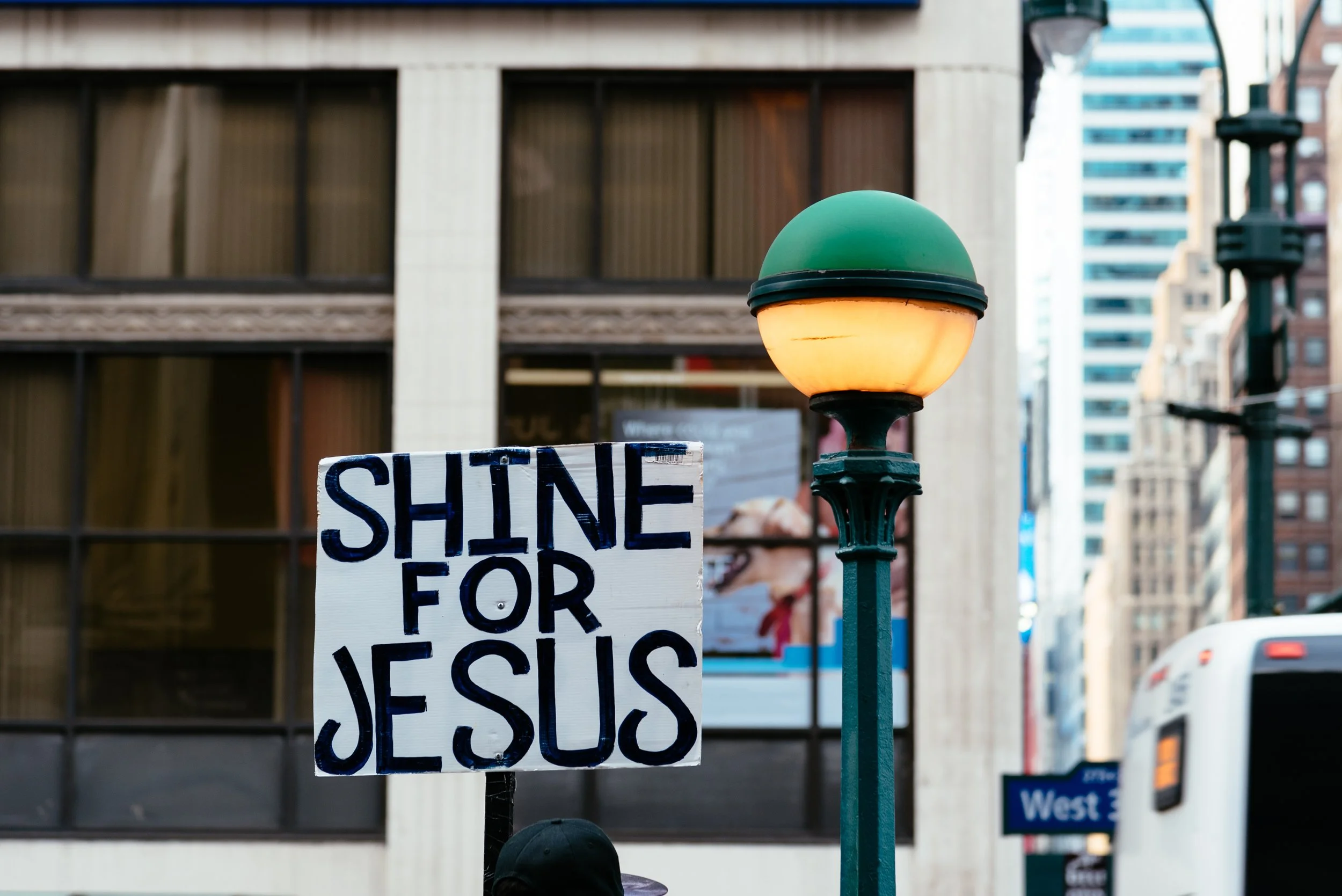
The high court issued a unanimous opinion in the case of Olivier v. City of Brandon, Mississippi, thus allowing evangelist Gabriel Olivier’s First Amendment complaint to move forward.
To be clear, the First Amendment of the United States Constitution protects freedom of religion and freedom of expression. More specifically, the First Amendment states:
More specifically, Olivier relies on the free speech clause. This clause:
guarantees the right to express ideas and information without government interference.
This case is very important. It allows a street preacher seeking a sizable audience to pursue the opportunity to speak freely outside a venue—an amphitheater that attracts large crowds—to advance evangelism or religious views, despite the city’s preference for expanding commercialism and pop culture.
Olivier, in an earlier case, contested the city of Brandon’s attempt to restrict speech to a designated area during times in which events were scheduled. Olivier was initially arrested in 2021 for violating the city’s ordinance. He pleaded no contest in municipal court and paid a fine.
Because Olivier wished to preach in the future, he subsequently brought a Section 1983 action seeking prospective relief. He did not challenge his prior conviction but sought to vindicate his First Amendment rights through his Section 1983 challenge.
In response to Olivier’s litigation, the city of Brandon claimed that his attempt to vindicate his constitutional rights was barred by the Supreme Court’s earlier decision in Heck v. Humphrey, which prohibits the use of Section 1983 to challenge the validity of an earlier conviction. From the city’s perspective, Olivier’s earlier conviction for violating the ordinance prevented him from challenging the ordinance in the future, as doing so would cast doubt on the correctness of his prior conviction.
The Supreme Court disagreed with the city of Brandon’s legal analysis because Olivier’s current suit is not designed to challenge his earlier conviction. Instead, Olivier only seeks prospective relief. In essence, Olivier sought to prevent the city from enforcing its suspect ordinance in the future. A decision on the merits in Olivier's favor would mean he is free to share his religious views and preach the gospel without restrictions. But before Olivier can litigate his legal case, he must overcome the City of Brandon’s assertion that Heck v. Humphrey bars his claim.
On the Supreme Court’s view, the weight of the caselaw regarding suits brought to prevent future enforcement of unconstitutional laws favors Olivier. Hence, Olivier’s lawsuit to enjoin the enforcement of the city of Brandon’s ordinance may proceed despite the Court’s opinion in Heck v. Humphrey.
Reversing the Court of Appeals, the Supreme Court finds that Olivier is entitled to his day in court. This holding means two things: (1) that the substance of his litigation can move forward, and (2) churches, ministers, and others who wish to preach the gospel in public will likely have a good chance of prevailing against the contrary wishes of cities and other jurisdictions that prefer to advance commercialism.