There was a time when getting dressed was a relatively straightforward exercise. Business meetings called for suits. Weddings and funerals warranted something special. Sunday mornings meant putting on your best clothes, even if those clothes were reserved almost exclusively for church.
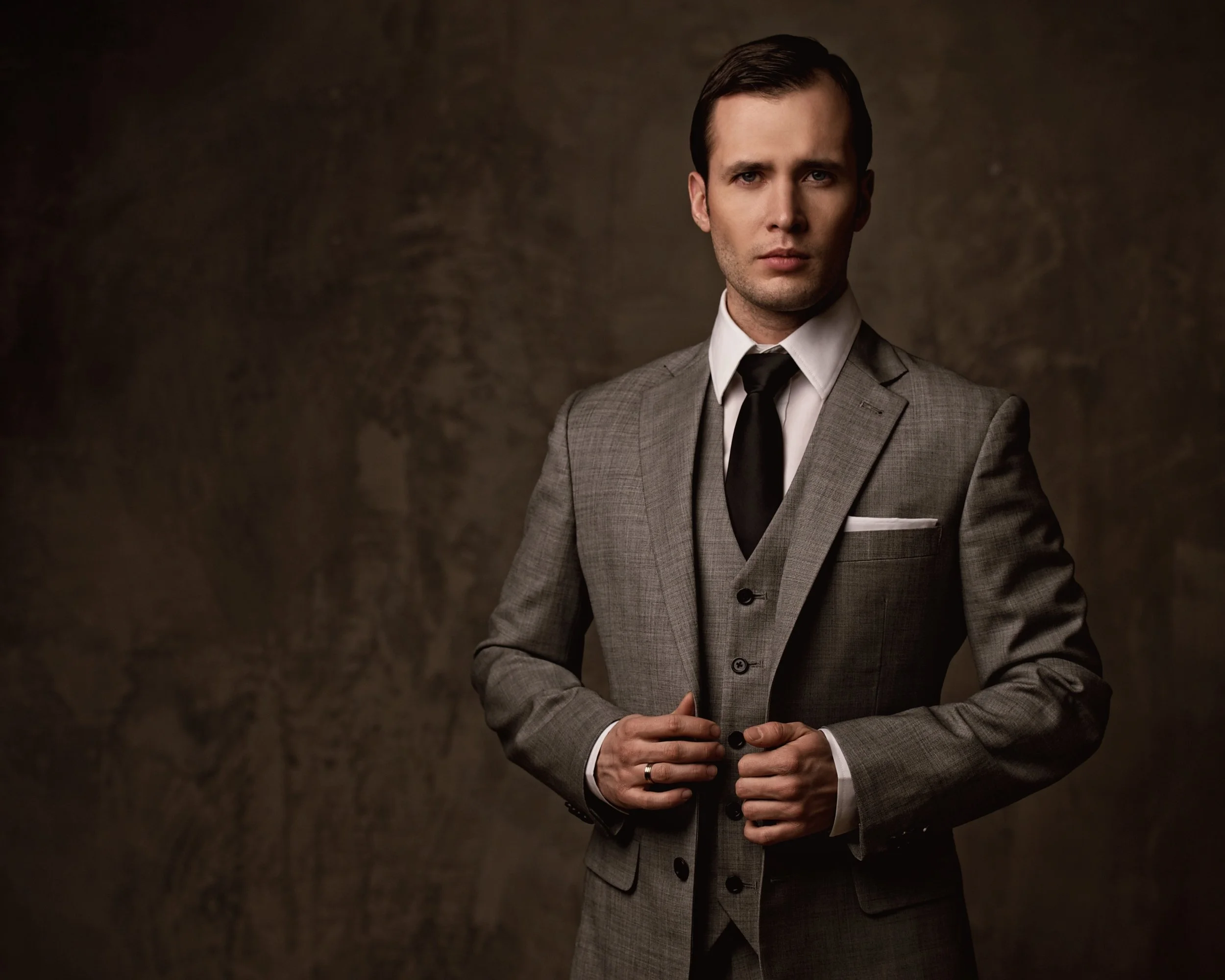
Today, those expectations have changed considerably.
Sneakers have found their way into boardrooms, jeans are commonplace in sanctuaries, and some of the world’s most influential business leaders have made casual clothing part of their professional identity.
In many respects, this is a welcome development. We’ve become less rigid about appearances and more willing to recognize that a person’s competence, character, and worth have little to do with what they happen to be wearing.
But as our culture becomes increasingly casual, I think there’s a question worth considering: Have we gained freedom in how we dress while losing some appreciation for what dressing well can communicate?
When Dressing Down Becomes a Sign of Success
As a custom clothier, I spend a great deal of time with successful professionals, business owners, and executives. One of the things I hear surprisingly often is some variation of the same observation:
“You should have seen me ten years ago. I wore a suit every day. Now I have a closet full of suits I never have to wear.”
It’s usually said with a certain satisfaction, and understandably so.
For many people, professional success brings greater independence. They’ve spent years meeting expectations, navigating corporate environments, and working toward the freedom to make their own decisions. Eventually, they reach a point where nobody is telling them what to wear.
That freedom is something they’ve earned.
But I wonder whether there’s another way to think about it.
What if reaching the point where you no longer have to dress a certain way is precisely when the way you choose to dress becomes most meaningful?
Earlier in our careers, the way we dress may be dictated by someone else’s expectations. Later, when those expectations disappear, our choices become a more personal reflection of what we value.
There’s a meaningful difference between wearing a jacket because your employer requires it and choosing to wear one because you believe the occasion, or the people attending it, deserve that consideration.
One communicates compliance. The other can communicate intention.
The Example We May Not Realize We’re Setting
There’s another dimension to this worth considering, particularly for those in positions of leadership.
Imagine a business owner who spent twenty years wearing a suit to work. He built a successful company, earned the respect of his colleagues, and reached a point where he could finally dress however he pleased.
For him, showing up in jeans and a golf shirt might represent something meaningful. It symbolizes the freedom and independence that came with years of hard work.
But consider a younger employee who never knew that earlier version of him.
That employee doesn’t necessarily see someone who has earned the freedom to dress casually. He simply sees the example his leader is setting today.
Neither perspective is necessarily wrong. But they aren’t necessarily communicating the same thing.
Leadership gives our choices significance beyond what we intend. People notice what we prioritize, what we take seriously, and how we conduct ourselves when nobody is requiring us to behave a certain way.
Our clothing is only one small part of that example, but it’s a visible one.
A leader’s casual appearance may communicate approachability and confidence. There may also be occasions when a more deliberate presentation communicates something equally valuable: that the moment, the responsibility, or the people involved deserve special consideration.
The point isn’t that successful people should dress more formally than everyone else.
It’s that the freedom to choose how we present ourselves is also an opportunity to consider the example we’re setting.
Dressing to Impress or Dressing with Intention?
As a custom clothier, I’ve learned that the most important questions about clothing rarely concern fashion. Instead, they concern context.
Who are you meeting? What is the occasion? What impression would you like to make? And perhaps most importantly, what does the occasion deserve?
Clothing communicates before we ever speak. Whether we intend it to or not, the way we present ourselves can convey professionalism, creativity, confidence, approachability, or respect for the people around us.
Of course, those impressions aren’t always accurate. A beautifully dressed person can lack integrity, just as someone wearing jeans and a T-shirt can demonstrate extraordinary character. But acknowledging that appearances can be misleading doesn’t mean they’re meaningless.
There’s an important distinction between dressing to impress and dressing with intention.
Dressing to impress is primarily concerned with how others perceive us. Dressing with intention considers the people we’ll encounter, the responsibilities we carry, and the circumstances in which we find ourselves.
None of this requires expensive clothing. A thoughtfully chosen, well-maintained outfit can communicate just as much consideration as a bespoke suit.
The principle isn’t extravagance. It’s intentionality.
What Does Scripture Say About Appearance?
For Christians, conversations about clothing introduce an important tension.
In 1 Samuel 16:7, God reminds Samuel that while people look at outward appearances, the Lord looks at the heart.
It’s a powerful reminder that external presentation is an unreliable measure of spiritual character. Churches, in particular, should be careful not to create environments where people feel that acceptance or belonging depends on how they dress.
James 2 offers an even more direct warning against showing favoritism toward someone wearing fine clothing while treating a poorly dressed visitor with less regard.
These passages should challenge any suggestion that dressing well makes someone more worthy of respect.
But I don’t believe they require us to conclude that clothing is entirely unimportant.
There’s a difference between judging someone’s value by their appearance and recognizing that our own appearance can be an expression of thoughtfulness.
The question isn’t whether our clothing makes us better people. It’s whether the choices we make, including how we dress, reflect appropriate consideration for others.
Perhaps the Question Has Changed
I don’t believe we need to return to an era when everyone wore a suit to church or when professional credibility depended on a necktie.
There are meaningful benefits to a culture that allows greater personal expression and places less emphasis on outward conformity.
And I certainly don’t begrudge anyone the satisfaction of reaching a point in life when they no longer have to dress according to someone else’s rules.
But I wonder whether the freedom we’ve worked so hard to achieve might also invite a greater sense of responsibility in how we exercise it.
When we have earned the freedom to do whatever we want, should we sometimes choose to do more than what’s expected of us?
That question extends well beyond clothing. It touches the way we lead, the example we set, and the consideration we show to others.
Perhaps the better question isn’t whether people should dress more formally, but whether we should dress more thoughtfully.
There will always be occasions when jeans and sneakers are entirely appropriate. There will also be moments that deserve something more deliberate.
Knowing the difference isn’t necessarily a matter of fashion. It’s a matter of judgment, awareness, and respect.
And those qualities will never go out of style.