
A Deal to Make a Deal
Senior officials from the U.S. and Iran are in Switzerland discussing details on how to end the conflict between the two nations. The negotiations cover a range of key issues and stem from an “interim deal” struck last week. That deal—a “deal to make a deal”—afforded a 60-day window in which to settle the major disagreements between the two sides, including how to treat the Straight of Hormuz, sanctions on Iranian oil and currently frozen assets, and Iran’s stockpile of enriched uranium.
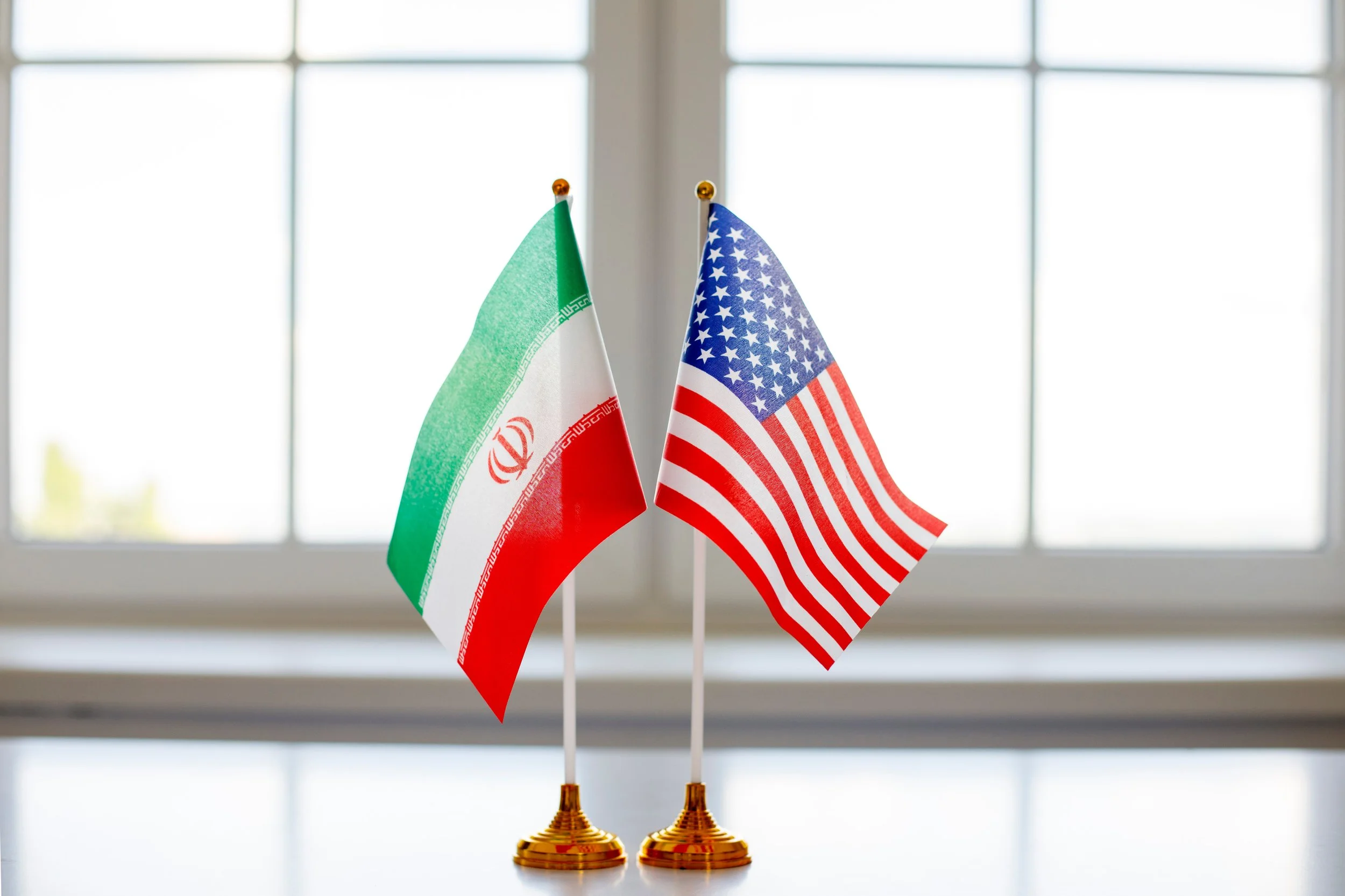
As peace talks between the U.S. and Iran continue, fighting between Israel and Hezbollah in Lebanon has continued sporadically. Leaders from Israel and Lebanon are conducting their own peace negotiations, but Iran—which serves as a military sponsor for Hezbollah—is treating the conflict as an offshoot of the U.S.-Iran engagement.
Analysis and eternal perspective: Peace is often elusive, but perhaps nowhere more so than in the Middle East, where it is often difficult to tell the difference between open hostilities and a “ceasefire.” Even so, the current talks between the U.S. and Iran present the most recent opportunity to secure an end to the fighting.
It also affords an interesting window into the perspective of the American electorate, as the most recent “Iran Deal” came in 2015 under U.S. President Barack Obama. To be sure, there are both multiple similarities and multiple key differences between the two deals, but in many camps, a decision to focus mostly on similarities or differences is made not by evaluating the importance of those factors but based on which president advanced the component in question.
This is an issue that very quickly becomes about political legacy over actual impact.
As Jesus followers, you and I should endeavor to use just “weights” and “honest scales” (Pr. 16:11) in our analysis. Simply put, we should lay aside our partisan preference and honestly evaluate the terms of these deals, or any other deals. This approach is both the surest way to achieve lasting peace and the only way to avoid the endless mental gymnastics required to run every subsequent development through the filter of who will get a political advantage as a result.
Finally, let’s agree together in prayer that the ongoing negotiations would produce a lasting peace, especially for the Israeli and Iranian people.
The preceding article originally appeared in Thann’s “The Equipped” Weekly Newsletter. For more information on Thann’s weekly email, click here.