
“Where is the whitewash?”
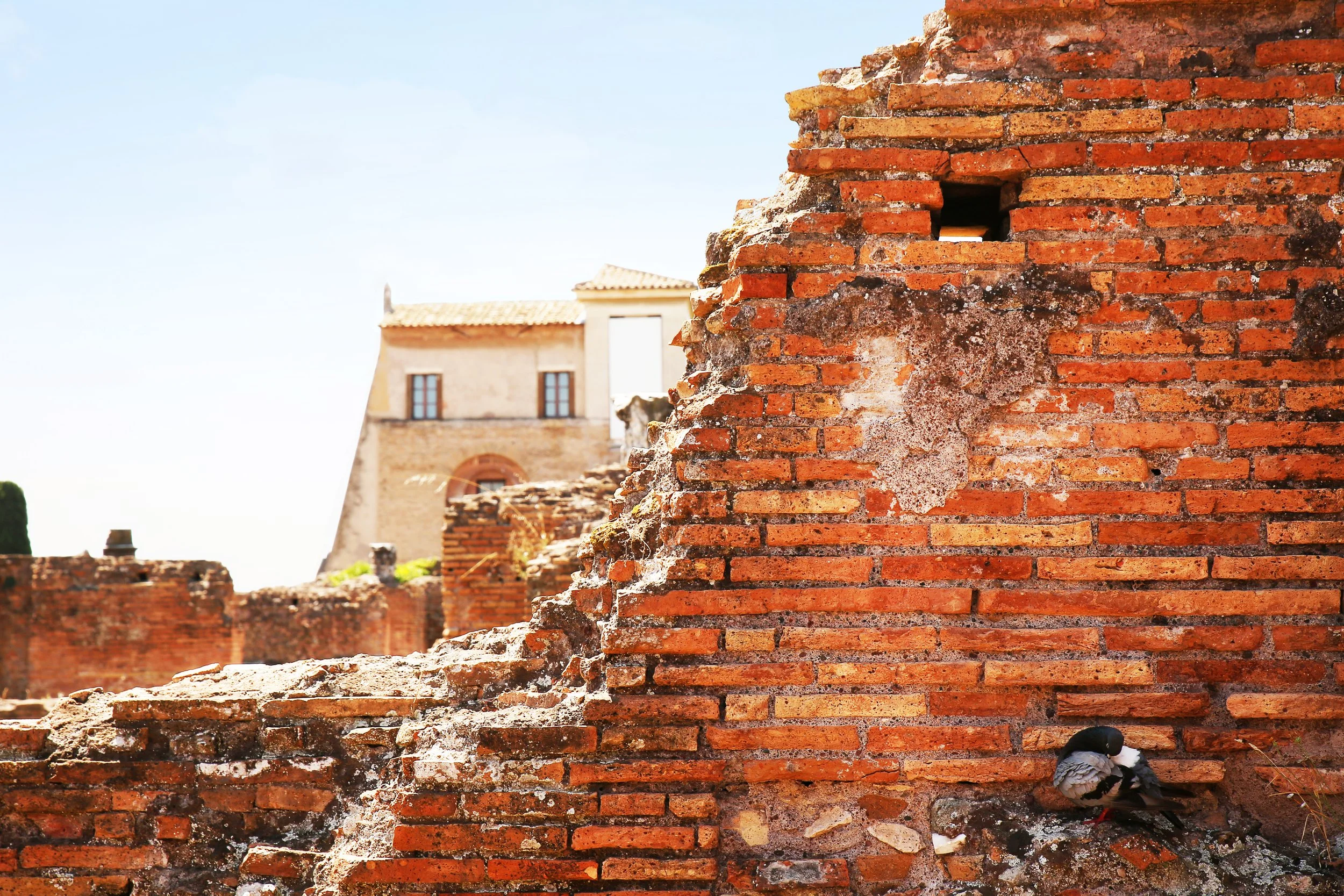
The question is asked in Ezekiel 13:12, but it is really being asked today by and of you and me, as well.
Let’s zoom out to gain a bit of context. The book of Ezekiel was written during exile. Both the author, Ezekiel, and the intended audience, the Israelites, are being held against their will by the Babylonians. The book of Ezekiel is a lengthy prophesy that contains everything from identification of the causes of the current exile to the promised restoration of Jerusalem after exile. It is a wealth of riches for us to glean, and there are countless parallels to our day and time.
But for today, we zoom in on Ezekiel 13, in which Ezekiel excoriates the false prophets of the day. He calls them “jackals” (v. 4) and says they “have not gone up to the breaches in the wall to repair it for the people of Israel so that it will stand firm in the battle on the day of the Lord” (v. 5). He also repeatedly calls them liars. This portion of the text leads our community to two questions this week:
Have the voices who shape our thinking been to the breaches in the wall?
Have we been to the breaches in the wall?
What a sobering consideration. We live in a hyper connected world where everyone has a megaphone. All of us have an opportunity to be heard, and so many (perhaps even most) of us speak out. This can certainly be a good thing when properly stewarded, but have you ever stopped and wondered:
Has the voice that is shaping my thinking been to the place of brokenness?
Does this voice personally know what it means to serve at the point of need?
Is this voice simply speaking, or is it drawing on personal experience?
It gets even more personal when you ask these questions to the mirror:
Have I been to the breach in the wall?
Do I know what it means to serve and meet the need?
Am I speaking or serving?
In verse 10, Ezekiel decries those who have “repaired” the wall by covering it with whitewash. He warns that the wall will collapse and that when it does, the people will ask, “Where is the whitewash you covered it with?”
My friends, the fractures in our world and our culture are real. The gaps and the vulnerabilities are significant, and the proposed remedies and solutions are many! But so much of what is espoused is simply whitewash that will not stand when the testing comes. This week, as we consider a world of upheaval and tumult, let us take honest stock of our own lives.
Have you been to the breach in the wall? Do you know firsthand what is torn down and destroyed? Is your speech informed by experience? What about the voice that informs you? Is it polished due to its safe and distant vantage point, or is it a bit gritty as a result of standing in the breach?
What about whitewashing? Do you live with a thin facade disguising what is broken in your life? Related, have you accepted the whitewashing attempts for the societal fissures around you? Will you be shaken when the storms of life tear that whitewashing to the ground?
These are serious, dire questions and warnings, but we consider them because the opposite is true, as well! There is eternally redemptive and restorative power that emanates from the one who has been to the breach and who draws on the strength of the One who repairs and restores that which is broken!
The key is knowing the difference. The one who has not been to the breach is an empty voice. The one who whitewashes over the breach is a deceiver. But the one who stands in the breach to repair it is the one you should trust and the one you should endeavor to be! You, my friend, are not meant to whitewash; You are a repairer of broken walls!
“Your people will rebuild the ancient ruins and will raise up the age-old foundations; you will be called Repairer of Broken Walls, Restorer of Streets with Dwellings” (Is. 58:12).
The preceding article originally appeared in Thann’s “The Equipped” Weekly Newsletter. For more information on Thann’s weekly email, click here.