
Birthright Citizenship at the High Court
The U.S. Supreme Court heard arguments last week on “birthright citizenship,” which is the 14th Amendment’s declaration that, “All persons born or naturalized in the United States, and subject to the jurisdiction thereof, are citizens of the United States and of the State wherein they reside.” This has long been interpreted to mean that virtually everyone born on U.S. soil is a U.S. citizen, but U.S. President Donald Trump issued an executive order in January 2025 to end that automatic grant. Last week’s argument at the high court were from a challenge to that order, and President Trump became the first sitting president to attend oral arguments at the court.
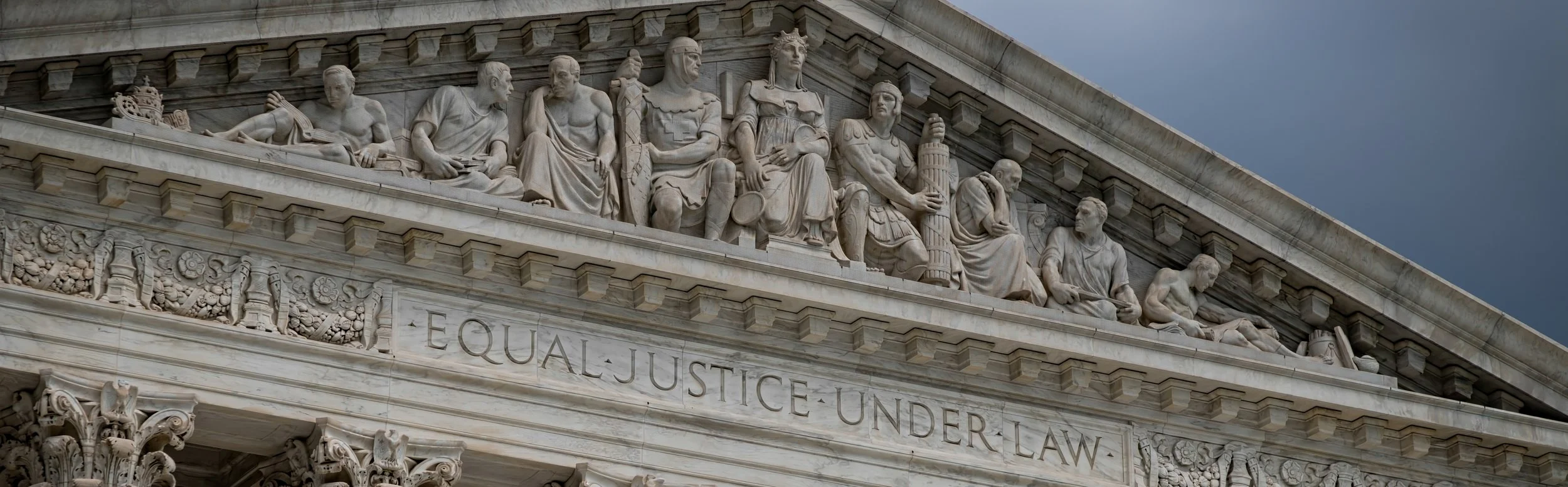
Analysis and eternal perspective: The decision in this case will have significant ramifications for both birthright citizenship and precedent for constitutional interpretation and amendment. Most court observers believe the Justices are skeptical of the President’s authority to make this change via executive order rather than constitutional amendment, but the court has certainly surprised before.
As The Equipped family, it is nearly certain we hold a wide range of views on the proper outcome of this case. Matters of constitutional interpretation tend to produce that diversity of opinion in a free republic, and that is a sign of strength. However, all of us as Jesus followers share a few key responsibilities:
- We should be praying for the President and the U.S. Supreme Court Justices (2 Tim. 2:1-2).
- We should be aware of the times, including the legal foundation of the U.S. Constitution and the ways it can appropriately be amended (1 Chron 12:32; Lk. 12:54-56).
- Our hearts should be inclined toward, and our energies focused on, the eternal condition of every person—citizen and foreigner—we encounter. While our earthly citizenship and legal status is of some significance, we are each traveling to an eternal home and our status in that place is of far greater consequence (Philip. 3:20)!
This story will produce significant division on substantively important matters. But even amid those differences, the bride of Christ can remain united on the most important matters!