
New Leader, Same Name
Iran has a new Supreme Leader, and it is the son of the late Supreme Leader. Fifty-six-year-old Mojtaba Khamenei, son of Ali Khamenei, has never held a government position, but takes over the regime after his father was killed in airstrikes by Israel and the U.S. The younger Khamenei will be the country’s primary decision-maker as the conflict continues and will also decide whether to continue the hostile and antagonistic approach of his father or seek a more conciliatory posture with the world.
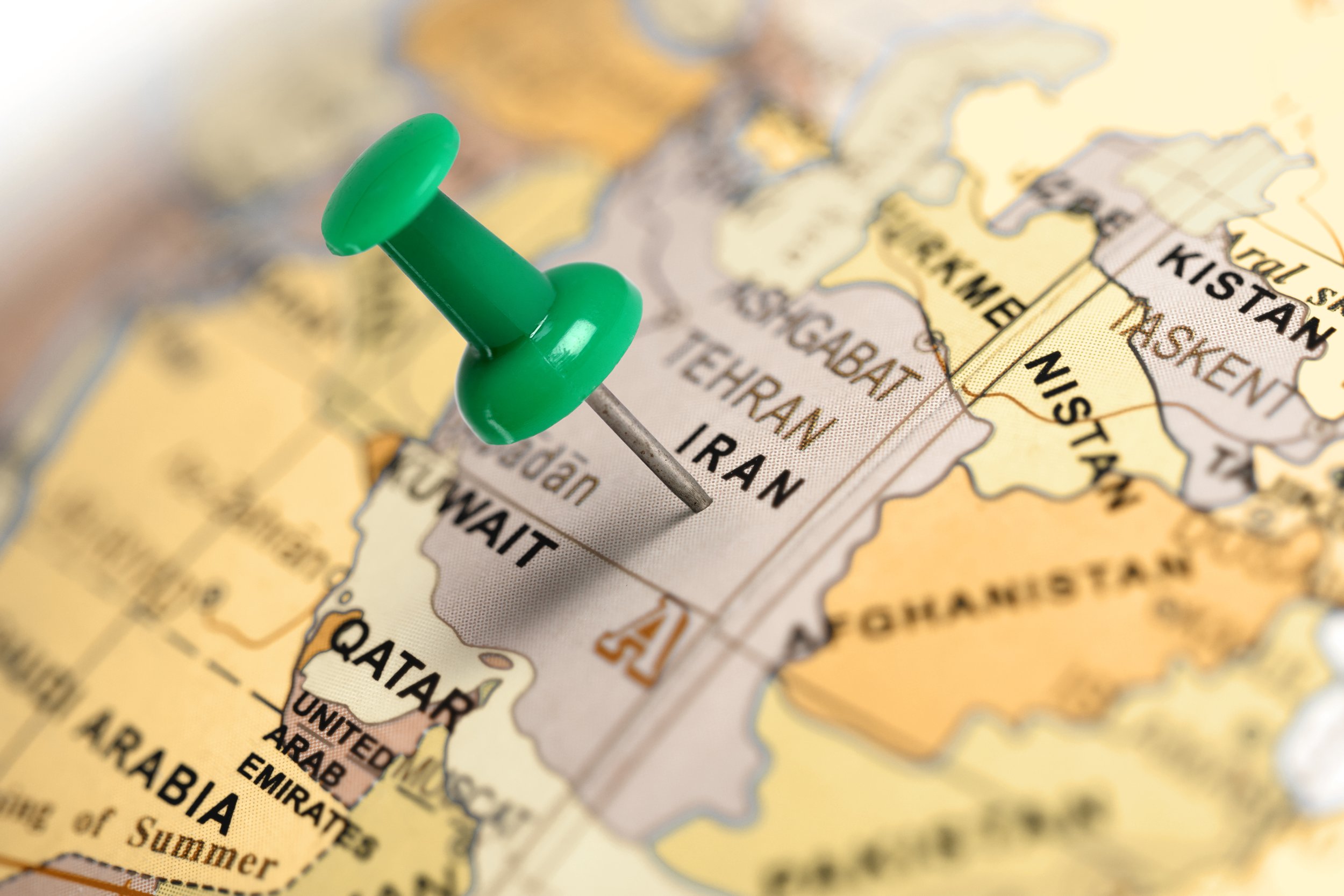
Analysis and eternal perspective: All signs point to a doubling down on Iran’s hardline theocratic posture under the late Khamenei. That is the near consensus of world observers about the elevation of Mojtaba Khamenei. While there is not a governing track record to evaluate, most believe the selection of Khamenei is an indication Iran will continue its openly hostile approach to foreign affairs and will be unlikely to moderate its nuclear development program or expand the Iranian people’s freedom. This is mostly speculation for the moment but becomes more and more reality by the day as bombs continue to rain down both in and at the hands of Iran.
You very likely have little say in the direction of the war with Iran, but you have a transcendent ability to lift up in prayer both those in the war zone and those making the wartime decisions. This is not an afterthought responsibility, but a primary calling for Jesus followers!
First, there are millions of people now living in constant fear of attack. The emotional strain is enormous, not to mention the physical danger. Pray that many would come to know the comfort of Jesus as their Savior.
Next, there is an incredibly heavy weight of responsibility on world leaders making war time decisions. This certainly includes U.S. President Donald Trump and Israeli Prime Minister Benjamin Netanyahu, but it also includes dozens of other world leaders with a responsibility to secure their people and defend peace wherever possible (“If it is possible, as far as it depends on you, live at peace with everyone” Rom. 12:18).
Finally, perhaps closest to home, while you are likely not making wartime decisions (those of you who are have our fervent prayers), how can you walk out this pursuit of peace from Rom. 12:18? For me, I need to remind myself that it is not just for when I’m in the wrong, but it is for me to pursue peace whenever possible.
Let’s be a people who don’t easily give up on peace—especially relational peace. You don’t have to win the argument to choose peace. In fact, loving through ongoing disagreement is often the most effective way to both preserve the peace and continue a conversation about an important truth at hand.
Choose peace even in disagreement. It may also be the path to a wider conversation.
The preceding article originally appeared in Thann’s “The Equipped” Weekly Newsletter. For more information on Thann’s weekly email, click here.